
Root Canal Therapy in Oneonta, NY
At JA Dental Care, Dr. Zaman and team provide root canal therapy to treat infection and relieve tooth pain.
Root canal therapy is used when the inside of a tooth becomes infected or inflamed. The goal is to remove the infection, relieve discomfort, and protect the tooth so you can chew comfortably and avoid extraction whenever appropriate.
What is root canal therapy?
Signs you may need a root canal
Aftercare and long-term results
What is root canal therapy?
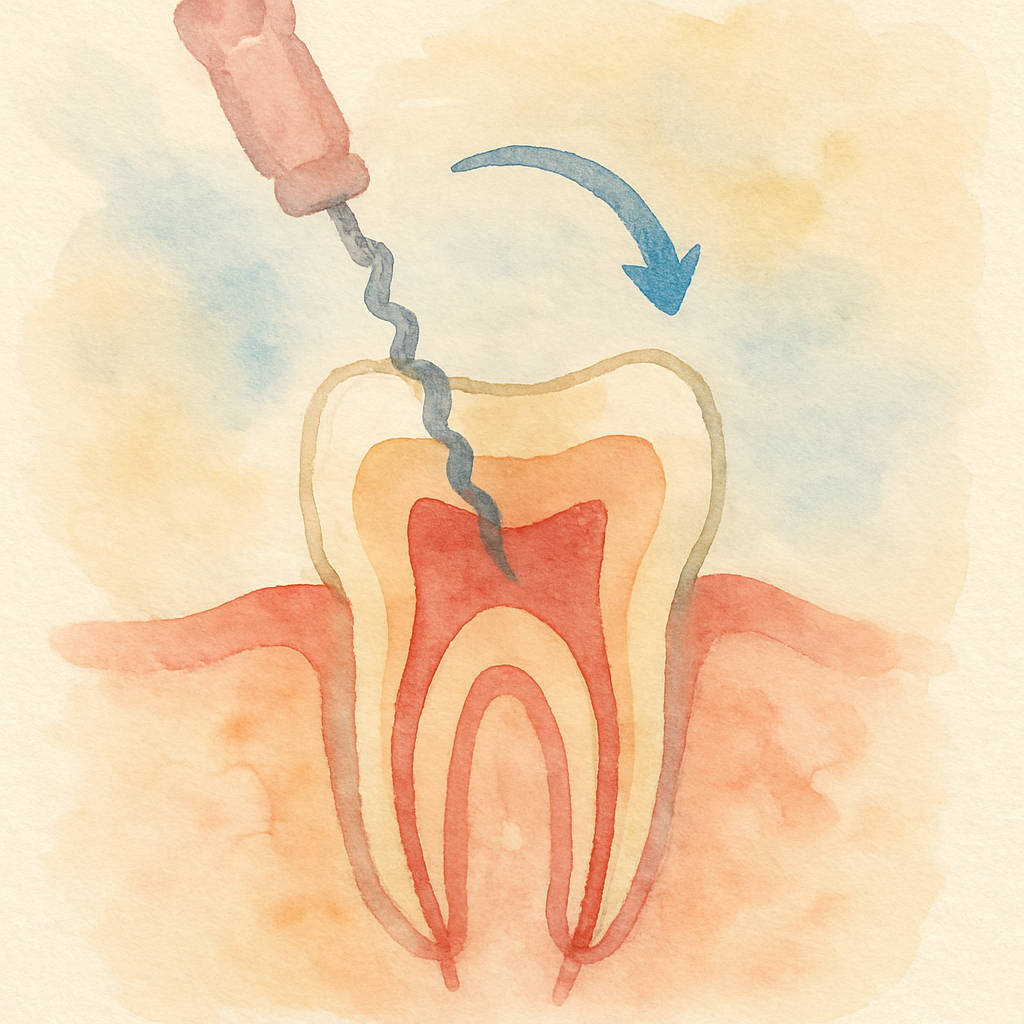
Inside each tooth is soft tissue (the pulp) containing nerves and blood vessels. If the pulp becomes infected or inflamed due to deep decay, a crack, or trauma, it can cause pain and swelling. Root canal therapy removes the infected tissue, cleans and disinfects the canals, and seals the tooth to help prevent the infection from returning.
Signs you may need a root canal
You may need an evaluation if you notice:
- Tooth pain that lingers or worsens when biting
- Sensitivity to hot or cold that doesn’t fade
- Swelling or tenderness around one tooth
- A pimple-like bump on the gums
- Darkening or discoloration of a tooth
Sometimes infection is found during an exam and digital X-rays even before symptoms become severe.
Aftercare and long-term results
After treatment, mild soreness is normal for a short time and is often managed with over-the-counter medication. We’ll also guide you on chewing, healing, and next steps, especially if a crown is recommended to protect the tooth long-term. With good home care and regular checkups, a root canal–treated tooth can last for many years.